How Families Recognize a Reincarnated Ancestor in Igbo Tradition
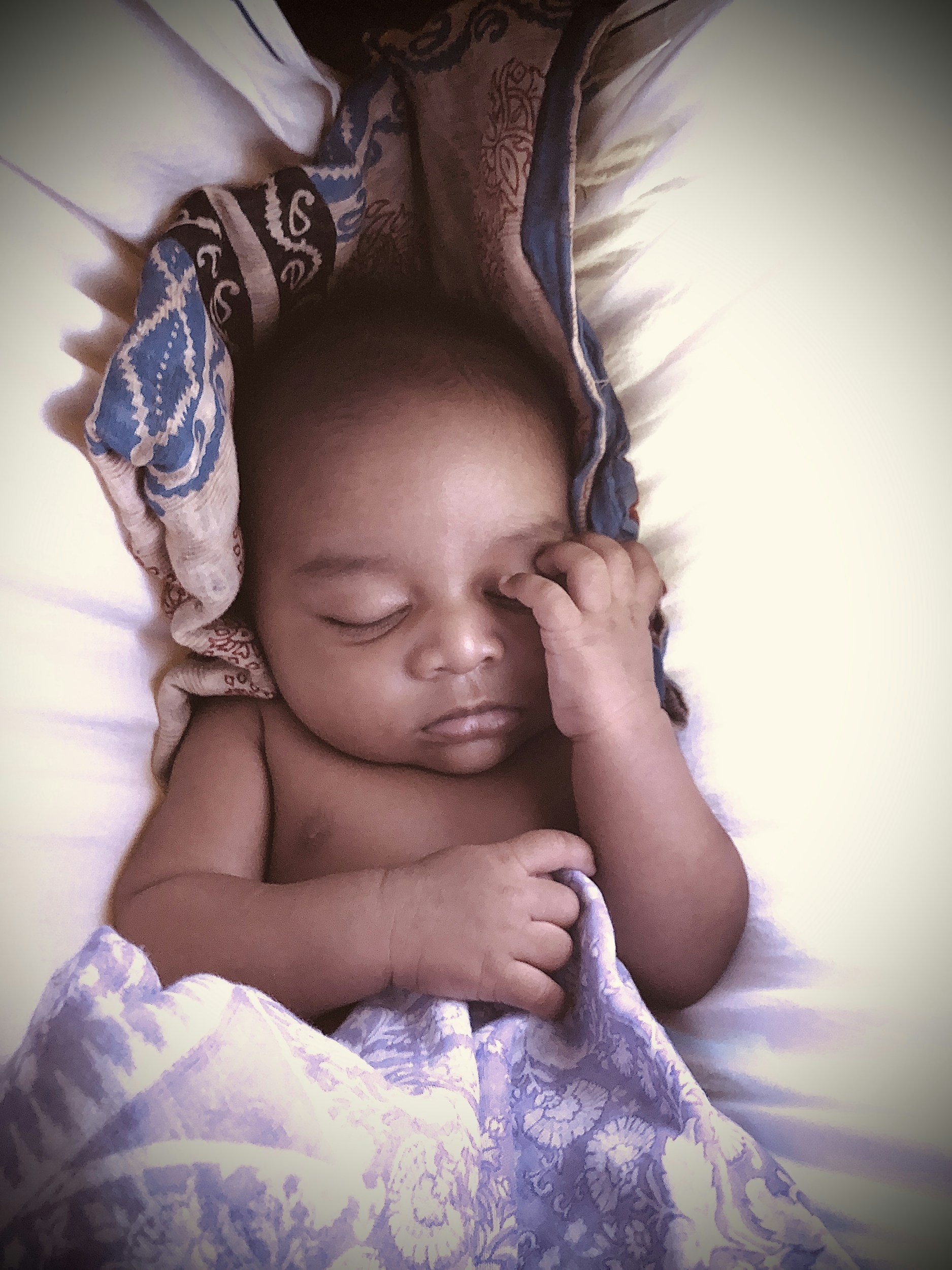
In Igbo spirituality, the idea of reincarnation is lived reality. When a child is born, traditional families watch closely for signs that an ancestor has returned. They understand that life moves in circles, not straight lines, and the departed typically come back through their lineage.
Recognizing a reincarnated ancestor is a sacred act because it honors the soul’s continuity and reinforces the bond between the worlds of the living and the dead.
Here are the main ways traditional families identify a returning ancestor.
1. Birthmarks, Scars, or Unusual Body Signs
Igbo ancestors believed that certain birthmarks indicate experiences from the ancestor’s previous life, including:
scars
physical marks
symbolic shapes
marks resembling injuries the ancestor had
These were not viewed as random marks, they were seen as spiritual “signatures” that the returning soul carries into the new body.
A child born with a mark resembling an ancestor’s wound or scar is usually recognized immediately as the one who has returned.
2. Strong Resemblance in Personality and Behavior
Beyond physical appearance, many families observe that a child may:
act like the ancestor
speak in their tone
show similar gestures
display the same preferences or dislikes
carry the same temperament
A baby who shows the calmness, stubbornness, humor, or dignity of a specific ancestor is typically believed to be a returning soul.
These behavioral patterns are seen as deeper than genetics, they reveal continuity of one’s chi, memory, and spiritual identity.
3. Early Childhood Statements or Knowledge
Children sometimes say things that surprise adults, such as:
speaking about events before they were born
mentioning names of long-departed relatives
identifying objects that belonged to the ancestor
insisting they had a previous role or status
This spontaneous recall is highly respected and taken into account in Igbo spirituality. It is taken as evidence that the soul is remembering its previous journey.
When a child speaks like this, the elders pay attention. The spirit is speaking through the child.
4. Dreams and Revelations to Family Members
Certain ancestors also announce their return through dreams. A family member, especially the mother of the child, an elder, or spiritually sensitive person, might dream that:
an ancestor says they are “coming back”
a deceased relative hands them a baby
an ancestor enters their compound
a familiar spirit signals its return
These dreams are taken seriously. They are interpreted as divine messages preparing the family to receive the reincarnated soul.
5. Divination (Afa) Confirmation
When a new child behaves unusually or elders feel a spiritual presence around the child, they consult Afa (divination).
Afa may reveal:
which ancestor has returned
why they returned
what the child needs spiritually
what destiny they carry
whether rituals are required to welcome or stabilize them
Divination is the most authoritative confirmation of reincarnation in Igbo tradition because it identifies the soul’s specific identity and mission.
6. Symbolic Connections: Time, Circumstances, Signs
Traditional families also look at symbolic details such as:
the timing of the child’s birth
unusual events surrounding the birth
natural signs that occurred when the ancestor died
similarities between the ancestor’s life and the child’s early experiences
For example:
A child born on an ancestor’s death anniversary
A child arriving immediately after the passing of a beloved elder
These coincidences are not dismissed, they are understood as possible markers of spiritual return.
7. Emotional Recognition by Elders
Sometimes, a well attuned elder simply knows. A grandmother or grandfather, even a parent, may pick up a newborn and feel the presence of a familiar spirit.
They might say things like:
My father has returned.
My mother has come back.
This child is truly our ancestor.
This recognition is intuitive and spiritually guided. Most elders carry conscious memory which help them identify ancestral patterns or attributes in both their minds and their spirits.
Why Recognition Matters
Identifying a reincarnated ancestor in Igbo worldview shapes:
how the child is guided
which taboos they follow
how their destiny is supported
the kind of spiritual attention they receive
the role they may grow to fulfill in the family
It also maintains the sacred continuity between generations. The child is not seen as “new,” but as a returning presence completing their journey.
To Sum It Up
Traditional Igbo families recognize reincarnated ancestors through:
birthmarks and body signs
behavioral resemblance
childhood memories and statements
ancestral dreams and revelations
divination confirmations
symbolic birth circumstances
elders’ or parents’ intuitive recognition
Through these signs, Igbos affirm a mystical truth, that life does not begin at birth or end at death. Souls return. Families and lineages continue. And the ancestors walk among their descendants in new form.