In Igbo worldview, reincarnation (ịlọ uwa) is a cultural force, a moral compass, and a powerful glue that holds families and communities together across generations.
Because Igbos believe that ancestors return through their descendants, every birth becomes a sort of spiritual continuation. This belief shapes how people relate to one another, how they treat children, how they honor elders, and how they understand themselves within a larger lineage.
Here are the deep ways reincarnation strengthens the Igbo sense of family and community.
1. It Reinforces the Belief That No One Is Ever Truly Lost
When an elder dies, grief is softened by the understanding that they will return. This gives comfort, hope, and continuity. Families do not feel abandoned, because death is understood as a temporary transition.
Knowing that loved ones will reincarnate keeps the lineage emotionally intact. It makes family bonds last beyond a single lifetime.
2. Children Are Respected as Returning Elders
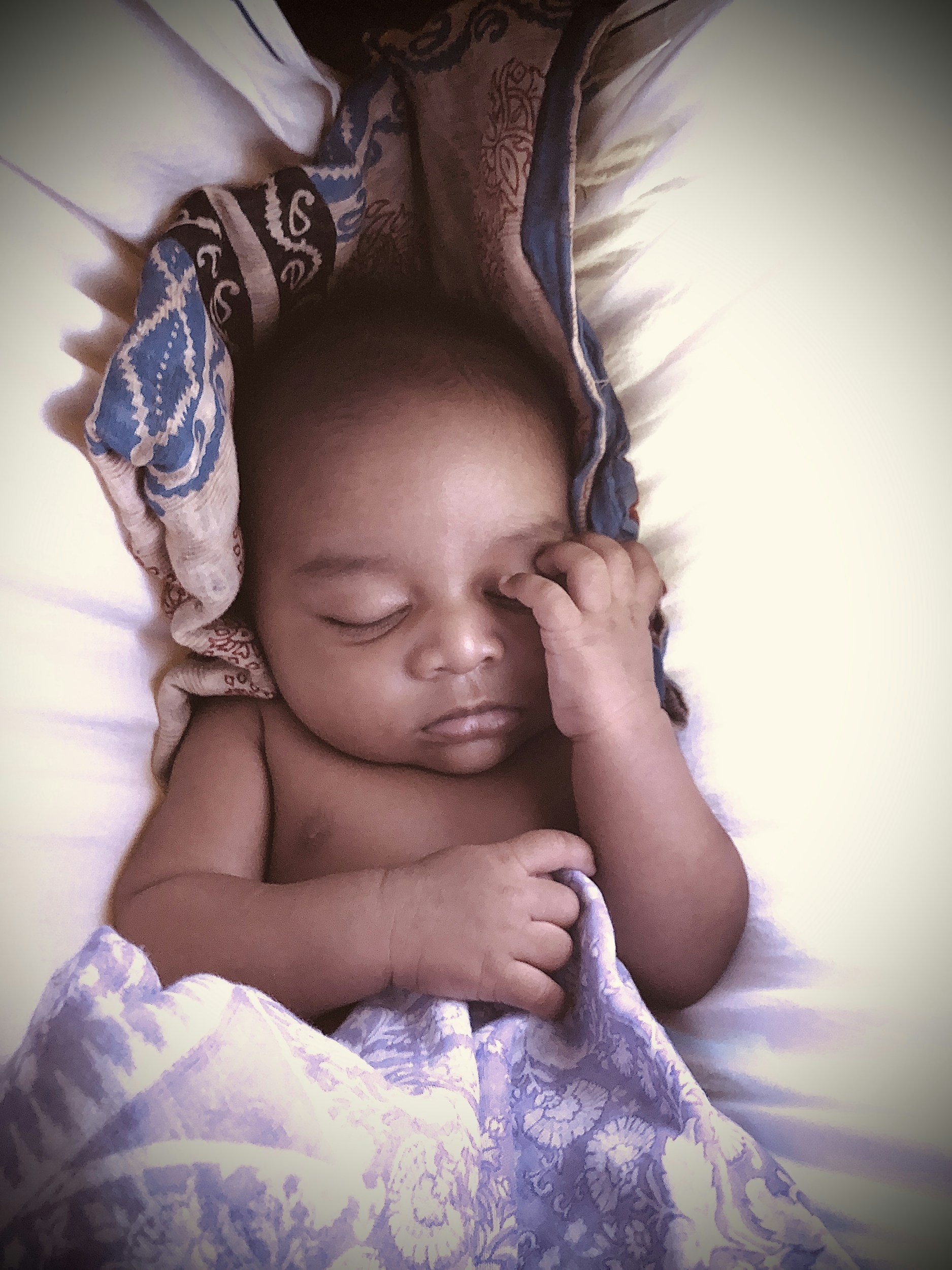
In Igbo culture, a newborn is not treated with reverence. They may be an ancestor returning with wisdom, unfinished destinies, or protection for the family.
This belief teaches families to:
value every child
listen carefully to their early words
respect their nature
give them spiritual attention
treat them with dignity
A child may be addressed affectionately as an old soul. Reincarnation therefore encourages reverence, tenderness, and attentiveness toward children.
3. Ancestors Remain Active Members of the Family
Because ancestors return, they are in a way still part of daily life. Families continue to:
pour libations
call their names
consult them in prayers
seek their blessings
include them in festivals and ceremonies
This ongoing relationship keeps the lineage spiritually unified, generation after generation.
The family becomes a community of visible and invisible members working together.
4. It Creates a Strong Moral System Rooted in Continuity
Reincarnation strengthens morality because people understand that they will return to the family they influence.
If you leave behind:
harmony
wealth
peace
good character
blessings
…you come back to enjoy them.
If you leave behind:
chaos
curses
conflicts
dishonor
…you return to face them.
This creates a powerful moral accountability. People strive to live well, not only for their descendants, but for their own future selves.
5. It Strengthens Clan and Lineage Identity
Families trace their ancestors not just backwards in time, but forward into new births. People feel deeply connected to:
their family history
their ancestral names
their compound
their land
their personal lineage symbols
their generational patterns
Reincarnation makes family identity continuous. You are never just “you,” you are the latest expression of a larger ancestral stream.
6. It Encourages Communal Responsibility and Care
When you look at another person and understand that:
they may have been your ancestor
they may return as your child
you may meet them again in another life
their destiny is tied to yours
…it becomes harder to harm them, neglect them, or treat them unjustly.
Reincarnation teaches:
compassion
patience
forgiveness
community harmony
shared destiny
Because the cycle of life makes everyone connected across time.
7. It Makes Family a Spiritual Institution, Not Just a Social One
In Igbo worldview, a family is not just a household or bloodline. It is a spiritual ecosystem that includes:
the living
the dead
the reincarnated
and the unborn
This multilayered structure deepens the responsibility everyone feels toward:
preserving tradition
protecting the lineage
raising children well
honoring elders
maintaining peace
Reincarnation turns family into a timeless institution, not a temporary grouping.
To Sum It Up
Reincarnation strengthens the Igbo sense of family and community because it teaches that:
We return to one another.
No one is ever forgotten.
The dead are still part of the family.
Children carry the spirit of elders.
Morality has long-term spiritual consequences.
Lineage is a continuous circle, not a broken line.
Community is larger than a single lifetime.
Through ịlọ uwa as a belief and knowledge system, Igbo ancestors affirmed a that we belong to one another across lifetimes. Our stories continue through each other. And the family is an eternal circle of returning souls.