The kolanut, or Oji as it's called in Igbo, represents peace, unity, and divine presence in Igbo culture. In Igbo tradition, presenting, breaking, and sharing Oji is a serious ritual filled with symbolism and ancestral significance. And as with anything sacred, there are rules which serve as deep cultural truths passed down through generations.
Here’s a simple yet insightful guide to 5 major rules you should always keep in mind when handling Oji.
1. It's not eaten as a single lobe
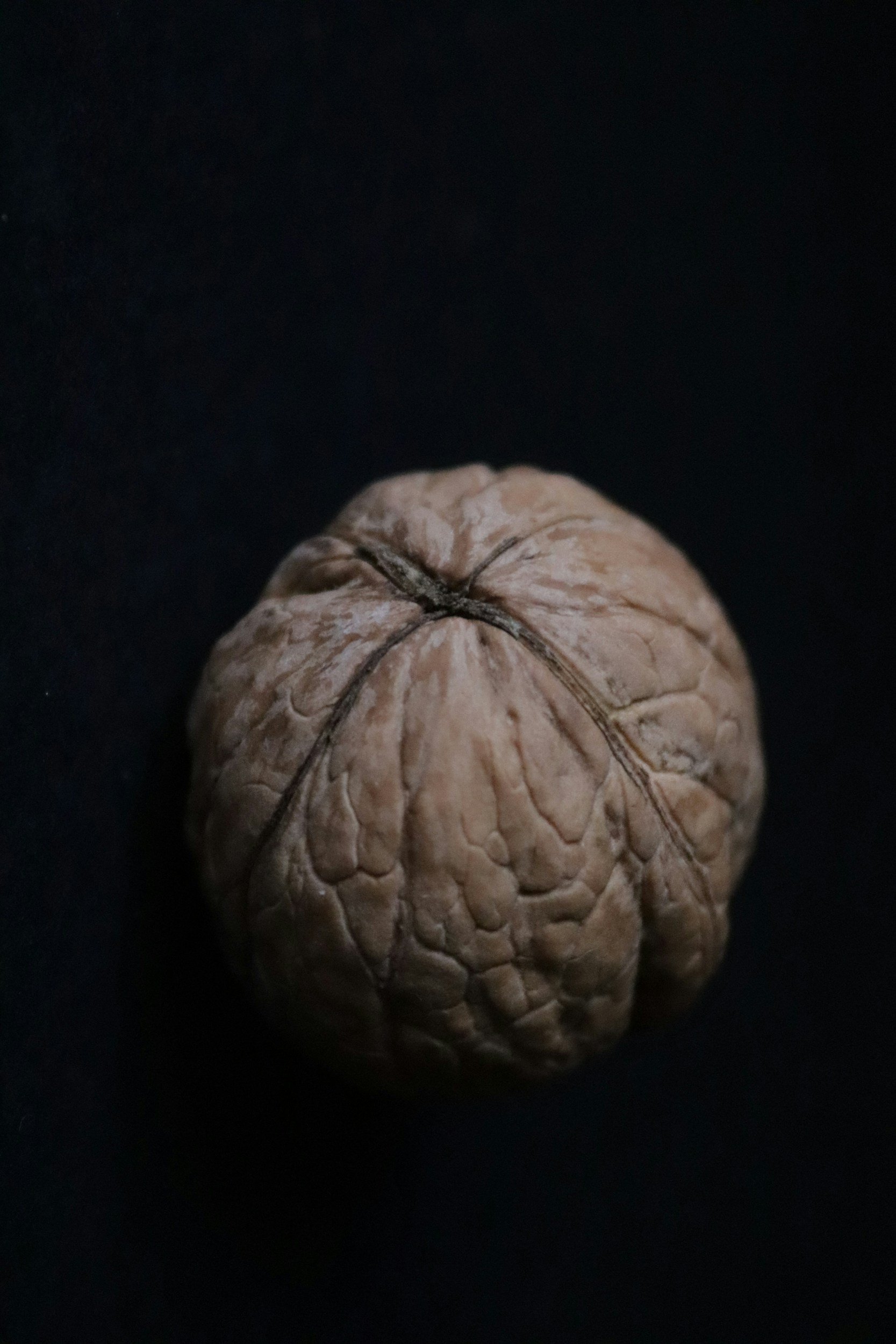
A Kolanut that can’t be broken is not eaten, it belongs to God. One of the most sacred taboos in Igbo kolanut tradition is eating a nut that cannot be split open. When a kolanut is found to be whole or lacks visible lobes, it is never eaten.
Why?
Because such a nut is believed to be still in a divine state, it belongs to Chukwu (God) as Ofu Ora and not to humans. It’s a sign of something higher at play. In such rare cases, the nut is respectfully set aside or returned to the earth.
2. The Kolanut Must Be Broken Before Eaten
You don’t just pop a kolanut into your mouth like a peanut. It must first be broken. This act of breaking the kolanut is rich in symbolism, it “opens” the fruit spiritually and invites in blessings, guidance, and ancestral presence.
Breaking the kolanut is how you activate its sacred function. Until then, it remains a sealed vessel of meaning.
3. Never Offer Kolanut with the Left Hand
Oji Igbo is not offered with the left hand except when extending to negative forces.
Offering Oji to another person must always be done with the right hand. The left hand, in Igbo culture, is associated with mystical elements or the realm of the dead in certain contexts.
The only context where the left hand is deliberately used is during rituals aimed at rejecting evil or confronting negative forces. So, unless you are addressing a spiritual confrontation, always use your right hand when giving or receiving kolanut.
4. Kolanut Is Not Used to Curse
Despite its spiritual power, in Igbo culture kolanut is never used for evil purposes, especially not to curse others in a ceremonial setting.
Its role is to bless, unite, and consecrate. Any attempt to use Oji for curses or malicious intent is not only frowned upon but believed to carry severe spiritual consequences.
Kolanut ceremonially represents peace, not poison. Even in conflict-resolution rituals, Oji is used to restore harmony, not to escalate hostility.
5. The Eldest Has the Right to Bless or Break the Kolanut
In any gathering, the eldest person present holds the sacred responsibility of blessing and breaking the kolanut. Age in Igbo culture represents wisdom, authority, and proximity to the ancestors.
However, the eldest may choose to delegate this role to another, typically someone younger, titled, or spiritually respected. This act, too, is meaningful: it shows trust and shared respect within the community.
To Sum It Up
Whether you’re Igbo by heritage or learning as a friend of the culture, these five rules offer a powerful glimpse into how the kolanut functions in Igbo traditional practices beyond the physical.
The kolanut invites us to pause, to bless, to share, and to honor our ancestors, ourselves, and the unseen hands that tie us all together.
So the next time Oji is presented, remember you're participating in a sacred ritual, one that will continue to bind generations yet unborn.
A Guide On Kolanut In Igbo Tradition (Physical Book)
Take Your Learning Offline







Recommended Resources:
Oji Ogbi: The Significance of One-Lobed Kola in Igbo Tradition | Odinani Mystery School
Oji Ikenga: The Signficance of Three-Lobed Kolanut in Igbo Culture | Odinani Mystery School
Oji Aka Ano: Significance of Four-lobed Kola in Igbo Tradition | Odinani Mystery School
Oji Omumu: Significance of Five-lobed Kola in Igbo Tradition | Odinani Mystery School