Is It True That in Ancient Times Plants or Herbs Spoke to Herbalists in Igbo Spirituality?
One of the most fascinating questions I’ve received about traditional Igbo spirituality is whether plants and herbs actually "speak" to herbalists.
The short answer is yes, but perhaps not in the way most people imagine.
And contrary to what some may think, this is not something that only belonged to ancient times.
Within traditional Igbo spirituality, many genuine Mbogorowu na Mgbakwukwo Dibias (herbalist-healers) believe that one of the signs of true spiritual development is the ability to communicate with plant life on a deeper level.
This understanding remains part of many indigenous knowledge systems even today.
Plants Are Seen as Living Intelligences
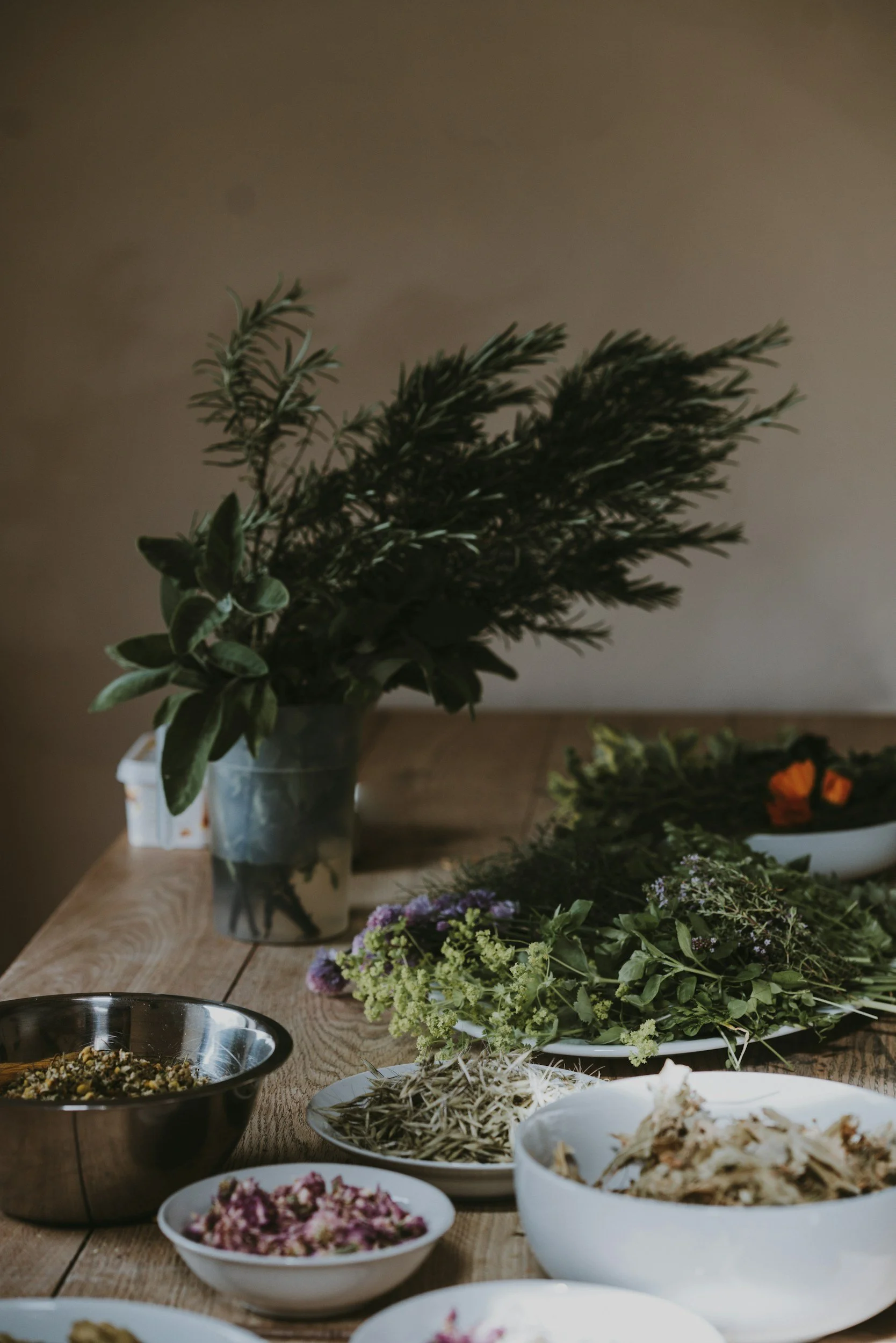
In the traditional Igbo worldview, plants are living beings with:
purpose
character
energy
function
spiritual significance
Just as different people have different personalities and abilities, different plants are believed to possess different properties and responsibilities within nature.
A skilled herbalist is expected to know more than the plant names.
They are someone who understands:
what a plant does
when it should be used
how it should be harvested
how it should be prepared
when it should not be used
This knowledge goes far beyond memorization.
What Does It Mean for a Plant to "Speak"?
When traditional herbalists talk about plants speaking, they are mostly referring to forms of spiritual communication, intuition, revelation, insight, or deep perception.
Through years of training, observation, spiritual discipline, and the influence of spiritual forces such as Agwu, a Dibia may begin to receive information about plants in ways that go beyond ordinary learning.
This can include:
knowing which plant is needed in a particular situation
understanding combinations of herbs
receiving insight about preparation methods
recognizing spiritual uses beyond physical medicinal uses
To an outsider, this may seem unusual.
But within indigenous spiritual systems, this type of communication is considered part of the work itself.
Every Plant Has Its Own Rules
One reason herbalism is taken so seriously in Igbo spirituality is that plants are believed to have their own rules and regulations.
A knowledgeable Dibia must understand:
when a plant should be harvested
how it should be handled
what it can be combined with
what it should not be combined with
the conditions under which it is most effective
In traditional thought, simply knowing a plant's physical properties is not considered enough.
The herbalist is also expected to understand the spiritual dimensions associated with the plant.
This is where years of training become important.
Natural Power and Spiritual Activation
Many traditional practitioners distinguish between a plant's natural abilities and its spiritual or supernatural applications.
For example, a plant may possess known medicinal properties that affect the body physically.
But within indigenous spiritual practice, some Dibias know those same plants can also be activated or worked with in ways that extend beyond their natural functions.
Whether one agrees with this perspective or not, it remains an important part of how many traditional herbalists understand their work.
For them, herbal knowledge is transcends the chemistry.
It is also relationship, intuition, observation, and spiritual understanding.
Why Agwu Is So Important
This is one reason why Agwu occupies such an important place in the life of a Dibia.
The amount of knowledge involved in traditional herbalism can be immense.
A practitioner may spend decades learning:
plants
roots
leaves
preparations
combinations
rituals
healing systems
spiritual applications
Many traditional practitioners know that without the assistance of Agwu, the divine intelligence associated with spiritual insight and revelation, it would be difficult for the human mind alone to hold and properly apply all of this knowledge.
In this sense, Agwu is viewed as a source of guidance, inspiration, and deeper understanding.
Dibiahood Is No Small Matter
Discussions like this remind us why becoming a Dibia has never been treated casually.
Traditional herbalism is not simply collecting herbs from the bush.
It requires:
discipline
patience
observation
training
spiritual development
humility
A true herbalist spends years learning how to understand both nature and themselves.
The work demands commitment because mistakes can have real consequences.
To Sum It Up
So, is it true that plants or herbs spoke to herbalists in ancient Igbo spirituality?
According to traditional Igbo understanding, yes, and many practitioners would argue that this still happens today through intuition, spiritual communication, revelation, and a deep relationship with nature developed over years of training and practice.
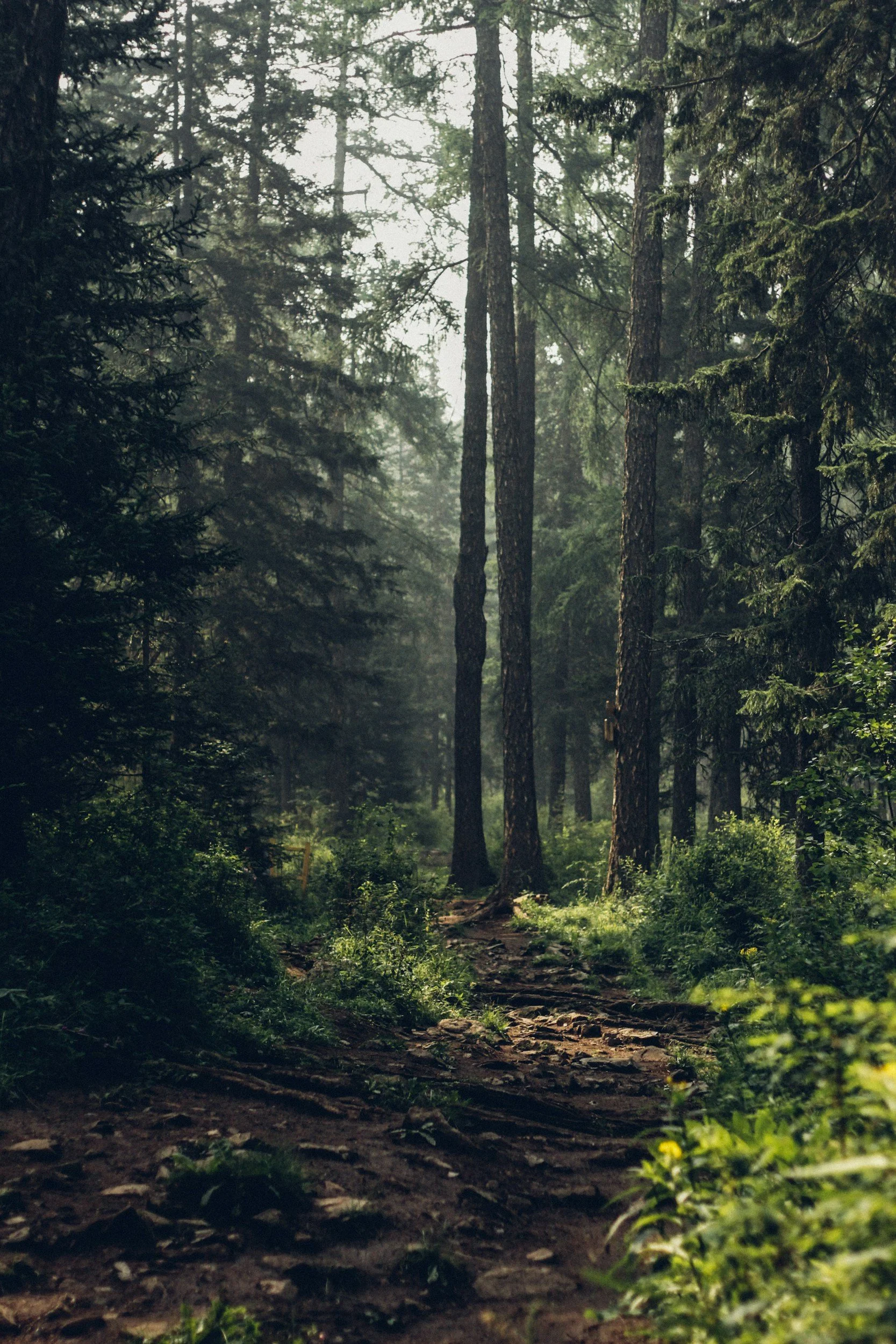
This belief reflects a larger truth within Odinani, that nature is alive and it teaches.
And for those who dedicate themselves to listening carefully, wisdom can be found in places most people overlook.
























Join Odinani Mystery School for access to Exclusive in-depth teachings on ancient Igbo wisdom and mystical sciences!