In Odinani, many powerful spiritual forces are associated with particular Nso—sacred restrictions that regulate how people interact with them. These prohibitions are understood to preserve the integrity of the spiritual relationship and ensure that the force being invoked is approached appropriately.
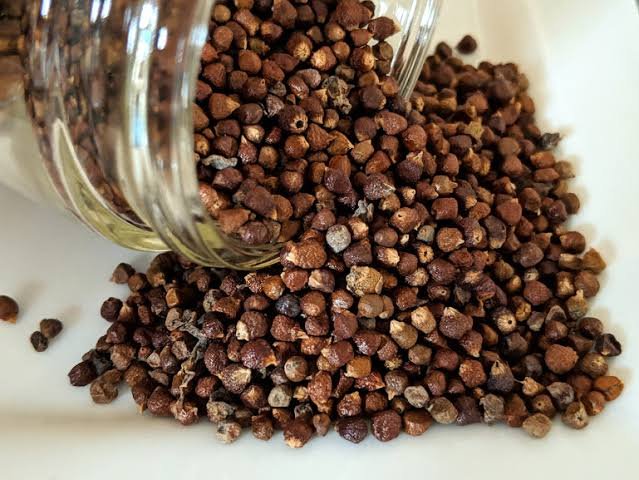
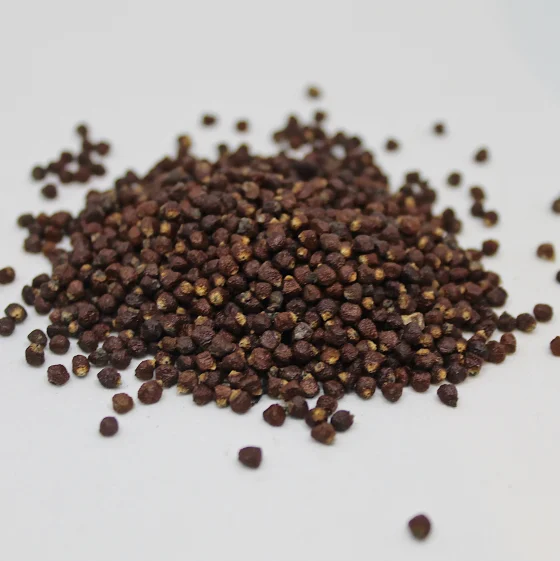
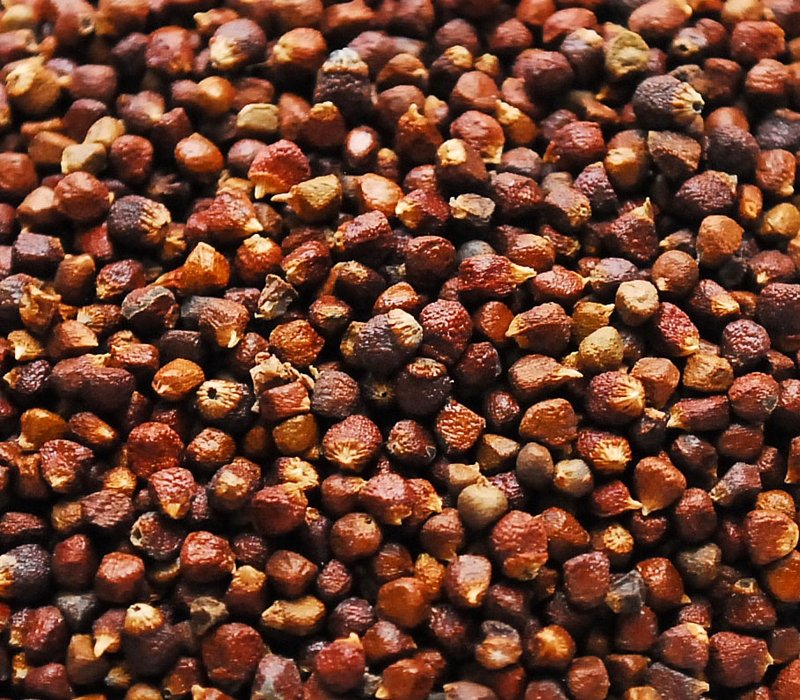
Ose Oji (alligator pepper) occupies an interesting position in this regard. Although it is a familiar spice used in everyday life, it also carries considerable ritual significance in Igbo spirituality.
Within Igbo traditional interpretations, Ose Oji is associated with a powerful, warrior-like natural spirit, particularly in matters concerning protection, spiritual activation and the force of spoken words.
Its spiritual use is therefore accompanied by specific rules of conduct. The following seven principles reflect one traditional framework for approaching or using Ose Oji.
1. Open Ose Oji From Behind Your Back
One customary practice involves opening the pod behind one's back rather than directly in front of the body.
Within this ritual interpretation, the action expresses reverence and serves as an acknowledgement of the spiritual force associated with Ose Oji.
It may also be accompanied by a prayer requesting protection and the proper activation of its spiritual properties.
The significance lies not simply in the physical movement, but in the deliberate manner in which the person approaches the ritual.
2. Do Not Use It to Pronounce Curses or Harmful Intentions
Ose Oji is traditionally regarded in some practices as a potent medium for invoking spiritual force through speech.
Because of this association, using it to direct malicious intentions toward others is strongly discouraged.
There is a belief that deliberately misusing its power for destructive purposes can bring serious spiritual consequences upon the person responsible.
Whether understood as spiritual repercussions or as a moral restriction, the principle emphasizes responsibility in the use of ritual substances.
The ability to invoke a force does not automatically justify every intention behind its invocation.
3. Be Mindful of Your Words After Chewing It
Anyone who has chewed Ose Oji knows the distinctive heat it produces in the mouth. This sensation has a symbolic relationship with the potency of speech.
Words spoken while the pepper's heat remains on the tongue may be regarded as carrying particular ritual significance, especially when prayers, declarations or invocations are being made.
This is why practitioners are sometimes advised to avoid careless, malicious or unnecessarily negative speech after chewing it.
The underlying belief is that Ose Oji can intensify the spiritual intention expressed through words. Its use therefore calls for greater awareness of what one says and the purpose behind saying it.
4. Do Not Leave It Where People Can Step Over or Walk on It
After ritual use, Ose Oji should not be discarded carelessly in places where people may step on it or walk over it.
Within this customary framework, allowing the substance to be trampled is considered disrespectful to the spiritual force it represents.
This applies particularly to Ose Oji that has already been used in prayer or other sacred activities.
Proper handling and disposal are therefore regarded as part of the ritual itself.
The manner in which a sacred substance is treated after use can be just as important, symbolically, as how it was handled during the ceremony.
5. Avoid Storing It in Metal or Iron Containers
Another restriction concerns the materials used to store Ose Oji intended for spiritual purposes.
Metal or iron containers are avoided because they are believed to interfere with the ritual qualities or energetic relationships associated with the substance.
6. Be Careful When Combining It With Alcohol
In certain ritual practices, Ose Oji may be added to alcoholic drinks with the intention of spiritually intensifying their effects.
Within the warrior symbolism associated with Ose Oji, this combination is sometimes reserved for situations involving spiritual confrontation, protection or the deliberate activation of forceful energy.
The important distinction is between ordinary consumption and purposeful ritual use.
The traditional use cautions against casually invoking aggressive spiritual qualities when there is no reason to do so.
This does not mean that consuming Ose Oji with alcohol has been shown to produce supernatural effects. Nor should such mixtures be treated as physically harmless simply because they have a ritual purpose. The strength of the ingredients and individual health considerations still matter.
7. Offer It in Hospitality Only With Good Intentions
Ose Oji also has a place in traditional hospitality, where its presentation can communicate welcome, goodwill and respect.
Within Igbo traditional practice, offering it to someone is not considered an entirely neutral gesture.
The host is expected to approach the offering with sincere intentions toward the recipient.
Presenting Ose Oji while secretly harbouring malicious intentions is therefore regarded as a violation of the ethical relationship surrounding its use.
This principle connects the ritual significance of Ose Oji with an important aspect of Igbo social life; hospitality carries responsibilities, and what is offered in goodwill should genuinely reflect that goodwill.
To Sum It Up
These seven principles reveal that the traditional use of Ose Oji involves more than the physical handling of a pepper.
They concern reverence, intention, speech, responsibility and the proper treatment of substances regarded as spiritually significant.
It is also important to distinguish between the everyday culinary use of Ose Oji and its specialized ritual applications. Not every household follows all these restrictions, and not every Dibia interprets the spiritual properties of Ose Oji in precisely the same way.
The seven commandments presented here are therefore better understood as a set of traditional ritual principles rather than universally binding rules across all of Odinani.
For practitioners who observe them, their significance lies in maintaining an appropriate relationship with the powerful natural force that Ose Oji is believed to embody.
Keeping these principles in mind also helps explain why an ordinary-looking natural substance can occupy such an important place in Igbo spiritual practice.




Join OMS Community on Patreon for access to Exclusive in-depth teachings on ancient Igbo wisdom and mystical sciences!