Our goal with this series is to help Igbo descents worldwide reconnect with their roots and gain a clearer understanding of who they are.
Do you know the name of your town and village? What kindred your family belongs to, both maternally and paternally? How did your surname come to be, and what stories shape your cultural identity?
We hope this series inspires you to explore, document, and preserve your history for generations to come. Enjoy!
Nnewi Town Overview
Nnewi is an Igbo community located in Nnewi North Local Government Area of Anambra State, Nigeria. It is well known for its strong commercial and industrial activities. It shares borders with towns such as Ojoto, Ozubulu, Ichi, Oraifite, and Nnobi.
Main Villages in Nnewi
Nnewi is divided into four major quarters believed to be named after the sons of its founder. These quarters are:
Otolo
Uruagu
Umudim
Nnewichi
Major Deities
The primary deities recognized across Nnewi are:
Edo
Eze
Ezemewi
Usukpe
Ele
Names of Rivers
Rivers and Streams in Nnewi include:
Mmili Eze
Mmili Ubu Achita
Mmili Ulasi
Mmili Ele
Mmili Obiakoromma
Mmili Amiyi
Main Market Day
The main market day in Nnewi is Nkwo. This day is special because the popular Nkwo Nnewi market is most active then. This is very important as Nnewi serves as a major trading hub in Eastern Nigeria.
Eke market day is mainly a day for rest and spiritual activities in Nnewi.
Major Festivals
The major festival in Nnewi is called Afiaolu festival. It is the official name for the New Yam Festival of the Nnewi people. It starts on an Eke market day and lasts for four market days, ending on Nkwo market day. It is usually celebrated in the month of August every year.
Masquerades
Anufolude
Ebirimmuo (Omeluogidi)
Ajofia Nnewi (Onapurudikemmá)
Ohimmiri Ele
Atu-Akaboukwu
Orinuli
Ozoebunu
Communal Taboos
Killing or harming of Eke (python)
Killing, harming, or eating of Ewi (bush rat)
Incest
Murder
It is forbidden for a man to begin having his own children while his biological mother is still giving birth to children for his father. If this happens, the family must perform an abomination cleansing ritual known as Ikpu Alu.
Rape
Shaving of hair on Eke market day
Performing ceremonies or farming on Eke market day
Founder of Nnewi Town & History
The most common account of Nnewi’s history and founder is linked to a progenitor called Agbaja. Agbaja is believed to have been a son of Eze Nri, the progenitor and chief priest of Nri. Agbaja is said to have been the father of Ikenga and husband of a woman named Edo (who was later deified by her descendants after her passing). Ikenga then had sons named Isu (the first son), Nnewi, Ichi, and Ifite. Nnewi is said to have had five sons: Umunnealam, Otolo, Uruagu, Umudim, and Nnewichi. Umunnealam was banished after committing an abomination. This is why Nnewi today consists of these four villages or quarters, named after his sons.
Occupation They Are Known For
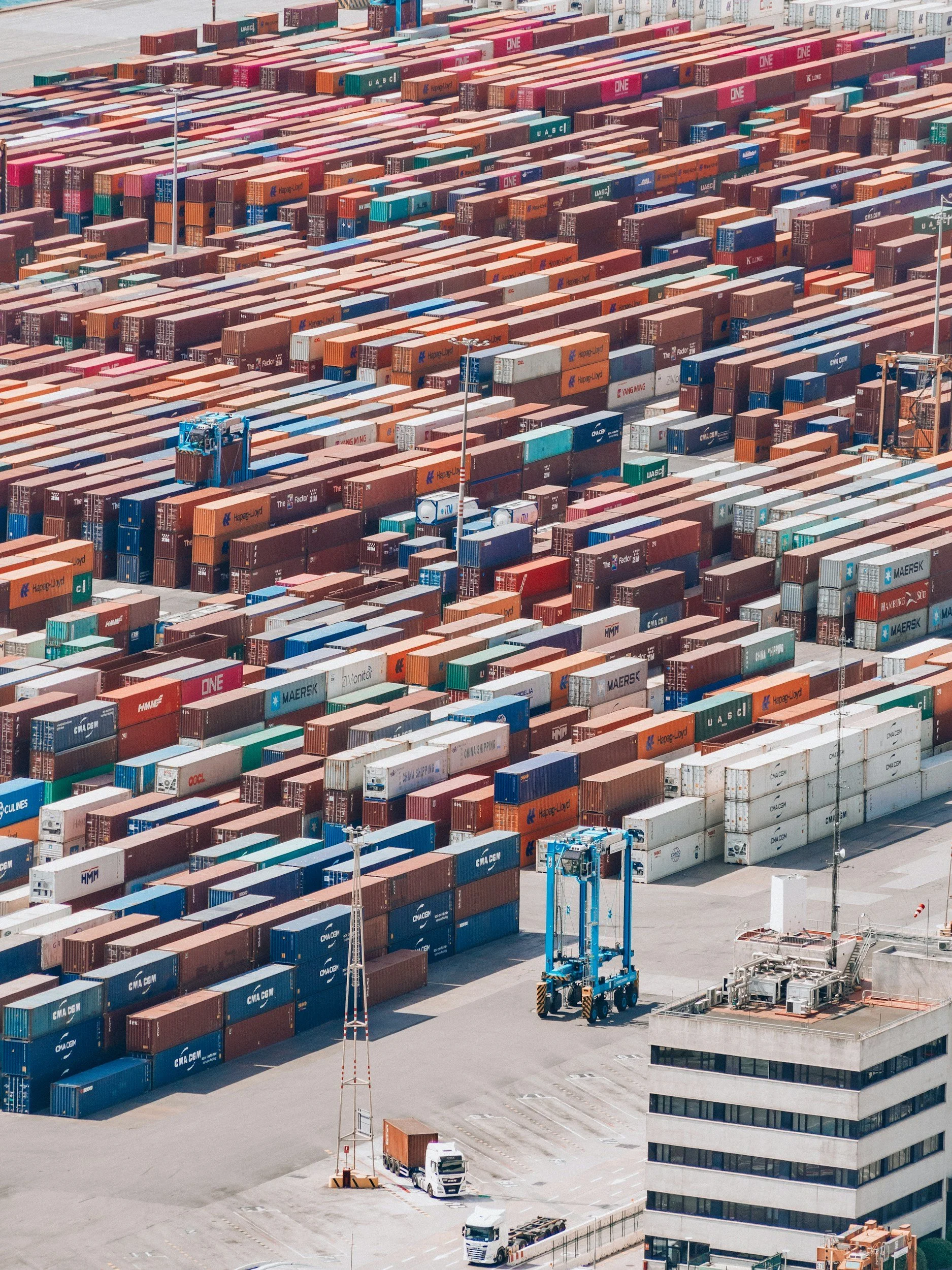
The major occupation of the Nnewi people is trading. Nnewi is a leading trading and industrial centre in Nigeria.
Local Government Area
Nnewi is a part of Nnewi North Local Government Area, in present day Anambra State.
Did we miss any key details or get something mixed up? Share your thoughts in the comment section below!
What else do you know about Nnewi that isn’t covered here? Let us know below. Daalu!
Source:
Okwuchukwudinaigbo Okonkwo Emodi (Ikenga Agbaja)
Research Credit:
Chinualumogu





Join Odinani Mystery School for access to Exclusive in-depth teachings on ancient Igbo wisdom and mystical sciences!