Our goal with this series is to help Ndi Igbo worldwide reconnect with their roots and gain a clearer understanding of who they are.
Do you know the name of your town and village? What kindred your family belongs to, both maternally and paternally? How did your surname come to be, and what stories shape your cultural identity?
We hope this series inspires you to explore, document, and preserve your history for generations to come. Enjoy!
Uke Town Overview
Uke is an Igbo town located in current day Anambra State, Nigeria. It is bordered by towns such as Ideani, Abatete, and Ojoto. Uke is governed by a traditional ruler (Igwe). It is said that there were originally nine villages in Uke, although mergers have reduced the number to six in modern times.
Name of Villages
Main Villages in Uke include: Oba (or Oba-Ani), Umuazu, Nkwelle, Ezema, Ubuluenu, Uruabo, Uruezeani, Nnakwe, Omimi.
Names of Deities
Major Deities in Uke include:
Obiaja Uke
Idezuna Uke
Note: In Uke, there are numerous deities associated with different kindreds, but Obiaja and Idezuna are the two that the entire Uke community venerates together. These deities are named after their water bodies, as the people of Uke believe the spirits are connected with these sources.
Names of Rivers
Rivers and Streams in Uke include: Mmili Obiaja, Mmili Idezuna, Mmilioma (believed in the past to cure people of sicknesses).
Main Market Day
The major market day in Uke is Eke. The most popular market in the town is known as Eke-Uke. Eke is considered so sacred in Uke that the dead are not buried on this market day.
Major Festivals
Major festivals that take place in Uke include:
Emem-Eke Festival: During this festival, the major masquerades gather at the market square for a grand display of Uke traditions.
Uzo-Iyi Uke: This festival celebrates the major deities of Uke (Obiaja and Idezuna). It typically features Uke masquerades in attendance, where they engage in superiority contests involving flogging and the use of Ogwu to outperform one another. It begins on a Friday and ends on a Sunday.
Ofala Festival: This is scheduled by the Igwe of Uke and occurs once every four years (or as determined by the Igwe).
Iri-Ji Festival (New Yam Festival): This usually takes place in August and is celebrated on Uka-Afo (an Afo day that falls on a Sunday in August).
Masquerades
These are the main masquerades in Uke:
Ijele
Ememma
Atu
Communal Taboos
Incest
Stealing of yam (especially if taken directly from the earth)
Harming, killing, or eating of Eke (python)
Rape
Murder
Founder of Uke Town & History
Uke is traditionally believed to have been one of the sons of the town’s founder. According to oral history, this founder came from a place called Mkporogwu and first settled in the area now known as Eke-Uke, from which the community later grew and expanded. Uke is also regarded as a sibling town to Ogidi and Nnobi, with all three said to descend from the same ancestor who migrated from Mkporogwu.
Occupation They Are Known For
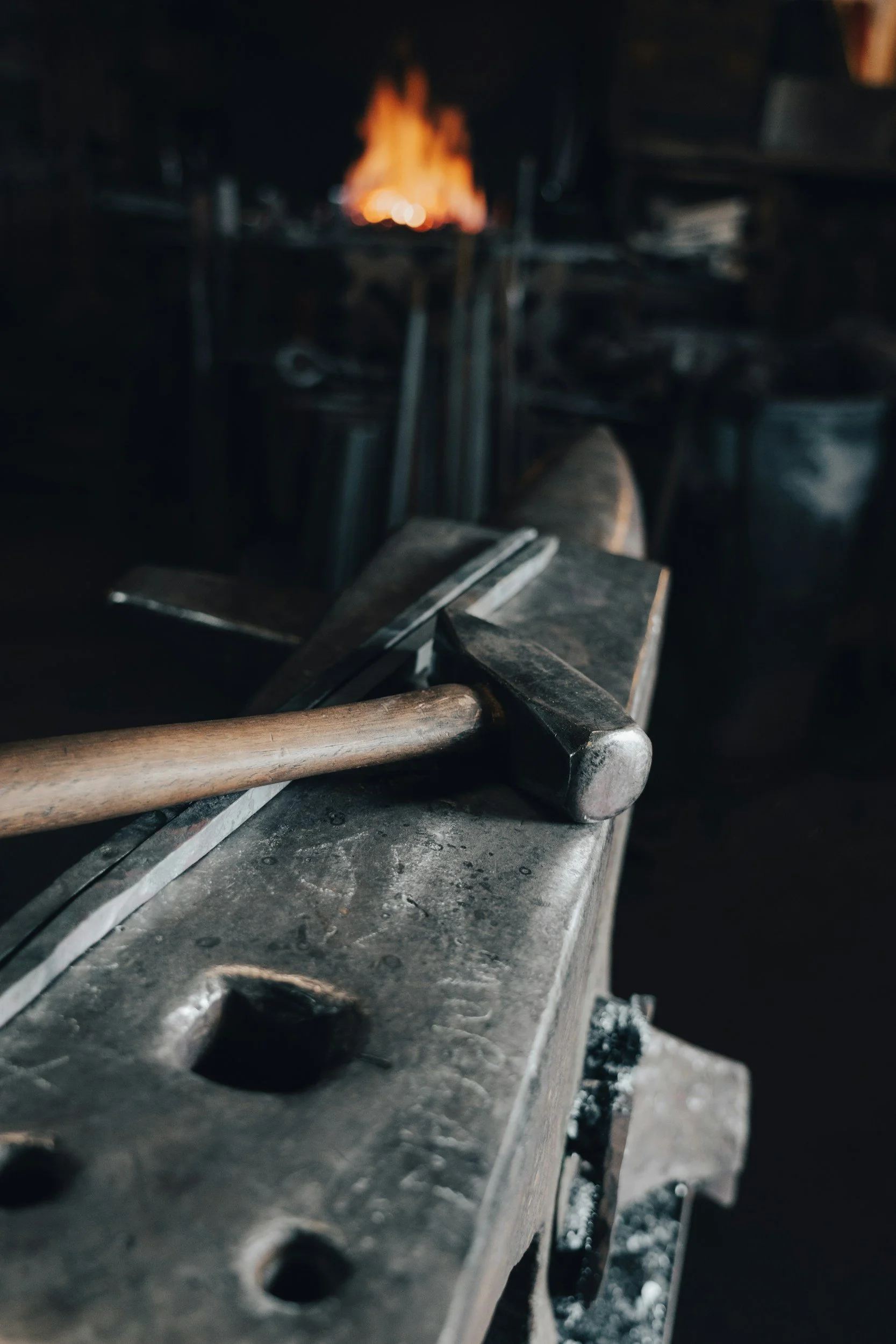
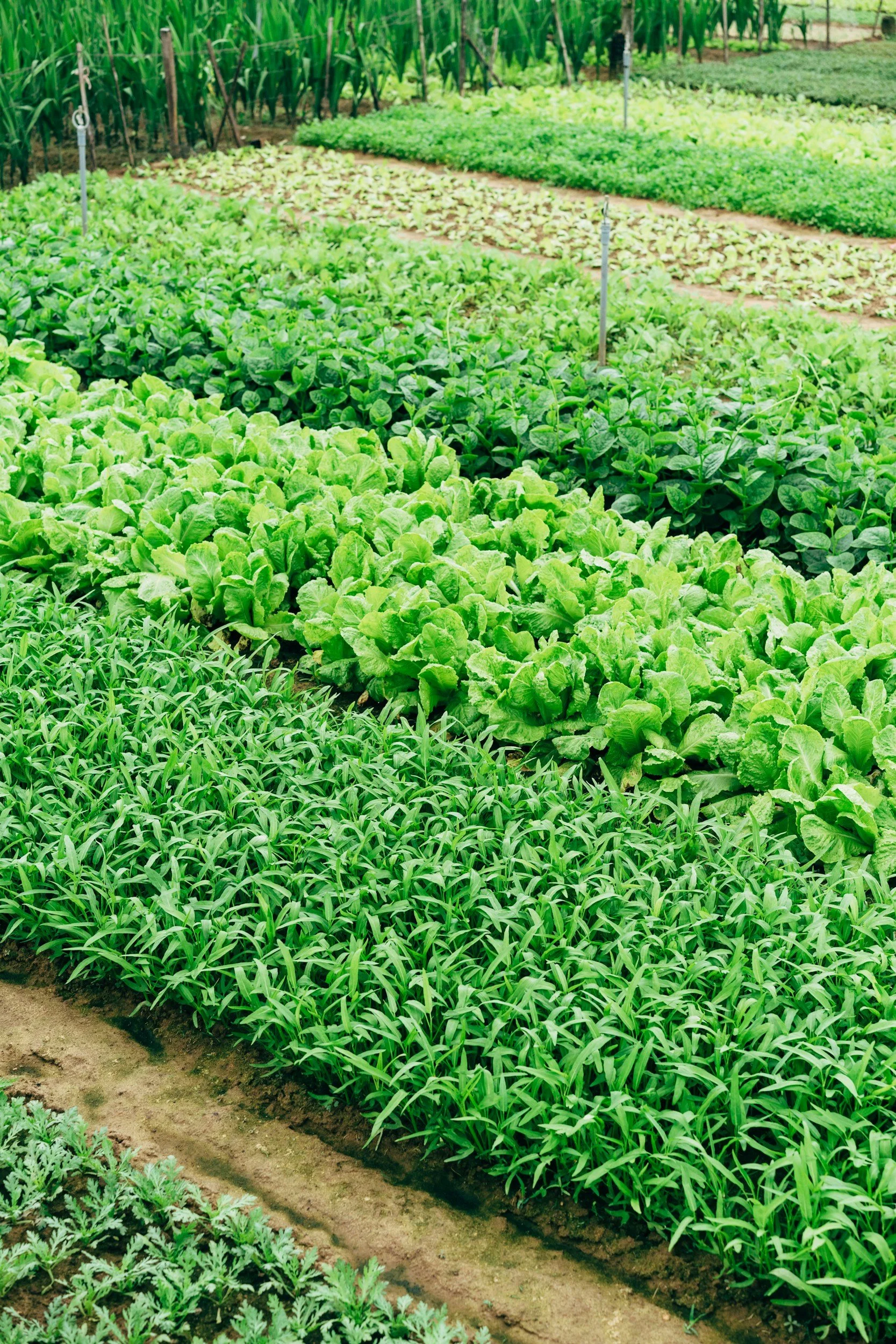
The major occupation of Uke indigenes and residents include: Farming, Blacksmithing and Trading.
Local Government Area
Uke is a part of Idemili North Local Government Area, in present day Anambra State.
Did we miss any key details or get something mixed up? Share your thoughts in the comment section below!
What else do you know about Uke that isn’t covered here? Let us know below. Daalu!
Source:
Chief Daniel Ikechukwu Egwuatu (Ezekwesili)
Research Credit:
Chinualumogu









Join Odinani Mystery School for access to Exclusive in-depth teachings on ancient Igbo wisdom and mystical sciences!