Our goal with this series is to help Igbo descents worldwide reconnect with their roots and gain a clearer understanding of who they are.
Do you know the name of your town and village? What kindred your family belongs to, both maternally and paternally? How did your surname come to be, and what stories shape your cultural identity?
We hope this series inspires you to explore, document, and preserve your history for generations to come. Enjoy!
Obukpa-Asadu Town Overview
Obukpa-Asadu is an Igbo community located in Nsukka Local Government Area of Enugu State, Nigeria. It shares borders with towns such as Ibagwa-Ani, Ibagwa-Aka, Iheakpu-Awka, Ovoko, and Nsukka. The town consists of four quarters: Ejuona, Owerre, Obige, and Nkalegu-Obukpa. Nkalegu-Obukpa, however, is under the Igbo-eze South Local Government Area of Enugu State because it is a conquered territory acquired through war with neighboring communities.
Main Villages in Obukpa-Asadu
Obukpa-Asadu is made up of three core ancestral quarters:
Ejuona (the senior quarter)
Owerre
Obige
Together, these quarters comprise 46 ancestral villages. There are 12 villages in Ejuona, 14 in Owerre, and 20 in Obige. Settlers moved to establish Nkalegu-Obukpa from these villages.
Names of Deities
The principal deity recognised across Obukpa-Asadu is called Nnumukwuome.
Names of Rivers
Obukpa-Asadu itself has no major rivers or streams within its territory. However, the Adada River, located in the neighbouring town of Ibagwa-Aka, serves as an important water body that borders the community.
Main Market Day
The major market day in Obukpa-Asadu is Eke. On this day, the Eke market becomes a bustling centre for trading farm produce, household goods, and other commodities. It also serves as a social hub where people from neighbouring villages gather for business and interaction.
Certain cultural rites, including aspects of the Onunu festival, are strictly performed on Eke market day. There are several activities traditionally forbidden on Eke, which include:
Major social ceremonies such as marriages and burials
Farming or working on the land is prohibited
Climbing trees or tapping palm wine is avoided
Any form of fighting or disturbance within the market area on Eke day is strictly forbidden.
Major Festivals
Onunu Festival: This is a major ancestral festival that spans thirty-four days in different stages. It is primarily a family-based cult honouring the benevolent forefathers who are believed to watch over, protect, and guide their descendants. During Onunu, married women return to their paternal homes, and the festival reinforces the patrilineal system while showing respect and remembrance for the dead.
Egba Chukwu: A communal feast and sacrifice in honour of Chukwu, the Supreme Being. The people gather at the village square (otobo) with kola nuts, food, and animal offerings. The Onyishi (eldest man or priest) of the village leads the offering at an altar erected for this purpose.
Mkpuru-nkashi: New Yam festival of Obukpa-Asadu.
Masquerades
Some of the prominent masquerades in Obukpa-Asadu include:
Okporompi
Ekwe
Uraga
Akataka
Akatakpa
Omabe (in forms such as Oriokpa and Otunju)
Edi Ogbene
Igele
Echaricha ma
EludIhe
Iyikite
OdoUgwu
Ojionu
Ajulaka
Oshagenyi
Ajija
Mgbedike.
Communal Taboos
It is forbidden to whistle at night, as this is believed to attract evil spirits.
Marrying an Osu (outcast).
It is forbidden for any man to see the Umuada (married daughters of the community) naked. The nakedness of Umuada is a custom invoked as a form of protest to enforce discipline.
Women and children are not allowed to move about during the departure of the Omabe masquerade.
Pointing at or desecrating shrines and sacred trees is strictly prohibited.
Founder of Obukpa-Asadu Town & History
The people of Obukpa-Asadu trace their origin to a common ancestral progenitor, Asadu Ideke Alumona, who is regarded as the father of Obukpa, Nsukka, Okpuje, and Eha-Alumona.
Historically, the community was known as Obukpa-Nnumukwome before adopting the name Obukpa-Asadu in the 18th century.
Asadu (a corrupted form of Achadu) was an influential Igala figure who served as prime minister to the Attah of Igala and administered parts of Nsukka territory on his behalf. Because of this connection, Obukpa, Nsukka, and Okpuje came to be regarded as the three sons of Asadu, explaining the shared suffix “Asadu” in their names.
The influence of the Igala kingdom, particularly the Achadu political dynasty, shaped aspects of Obukpa’s early political structure, including the introduction of monarchy. Until the decline of Igala power, the Eze of Obukpa travelled to Idah for recognition and blessing by the Attah.
Occupation They Are Known For
The major occupations of Obukpa-Asadu indigenes and residents include:
Farming, cultivating staples such as yam, cassava, and cocoyam.
Petty trading (especially by women).
Palm wine tapping (by men)
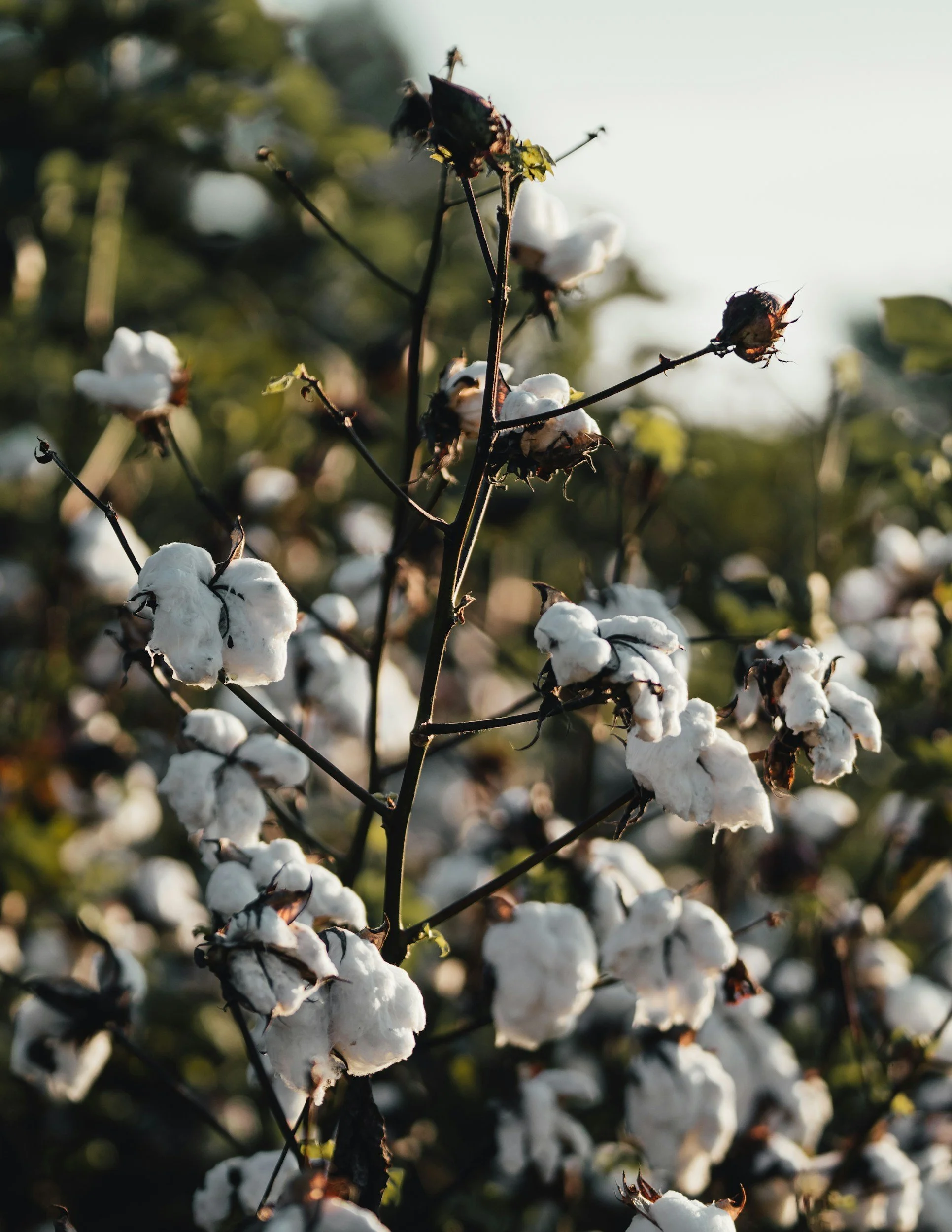
Traditional textile production (weaving of cotton cloths).
In recent times, proximity of Obukpa-Asadu to the University of Nigeria, Nsukka, has also brought academic and professional opportunities to some residents.
Local Government Area
Nsukka Local Government Area of Enugu State, Nigeria.
Did we miss any key details or get something mixed up?
Share your thoughts in the comment section below!
What else do you know about Obukpa-Asadu that isn’t covered here? Let us know below. Daalu!
Sources:
Kanayochukwu Eze
Research Credit:
Chinualumogu


















Join Odinani Mystery School for access to Exclusive in-depth teachings on ancient Igbo wisdom and mystical sciences!