One thing many people overlook about spiritual work is how much the body matters.
A Dibia does not work only with the mind or spirit. The body itself is part of the instrument. If the body is constantly overwhelmed, intoxicated, inflamed, sluggish, or energetically unbalanced, it becomes harder to remain spiritually sharp, mentally clear, and physically strong over time.
This is why food discipline matters deeply.
Unfortunately, many of these habits are not easy in today’s world. Modern lifestyles encourage constant eating, processed foods, overstimulation, and lack of discipline around consumption.
But for a Dibia, long-term well-being must be taken seriously.
Here are some important eating and lifestyle habits that are difficult, but incredibly valuable.
1. No Meals After 6PM (or No Extra Eating After Dinner)
Late-night eating can make the body heavy and restless.
For many Dibias, eating too late affects:
sleep quality
dreams
mental clarity
spiritual sensitivity
digestion and energy levels
I’m not saying perfection is always possible, but generally speaking, it is wise to:
finish meals earlier
avoid constant nighttime snacking
allow the body proper rest after eating
The body heals and resets better when digestion is not overloaded late at night.
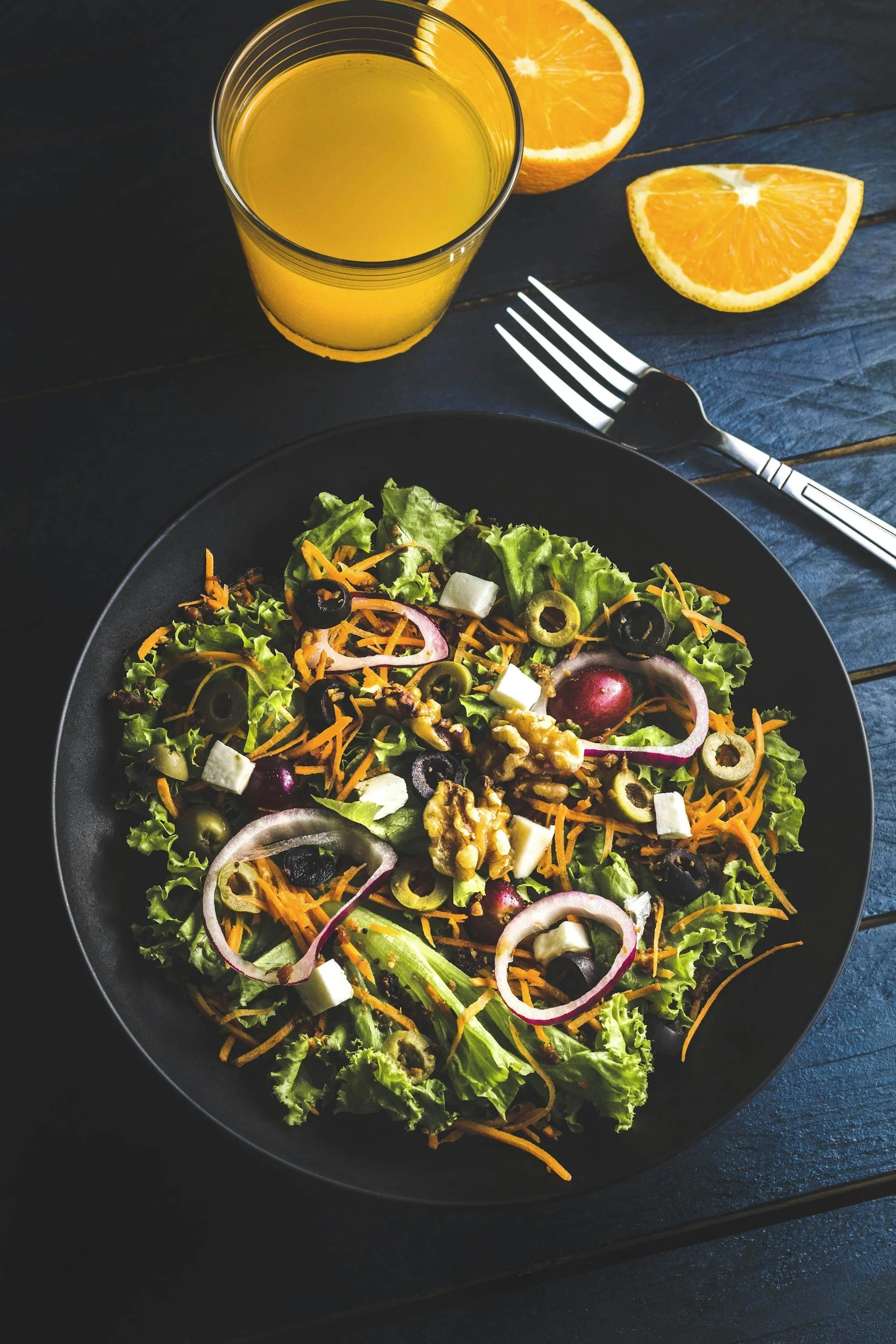
2. Avoid Processed Foods as Much as Possible
Modern processed foods are often filled with:
excessive chemicals
preservatives
artificial ingredients
unhealthy oils
excess sodium and sugar
Over time, these things can affect both physical and mental clarity.
A Dibia benefits more from foods that are:
simple
natural
nourishing
alive with real nutritional value
The cleaner the food, the lighter and clearer the body will feel.
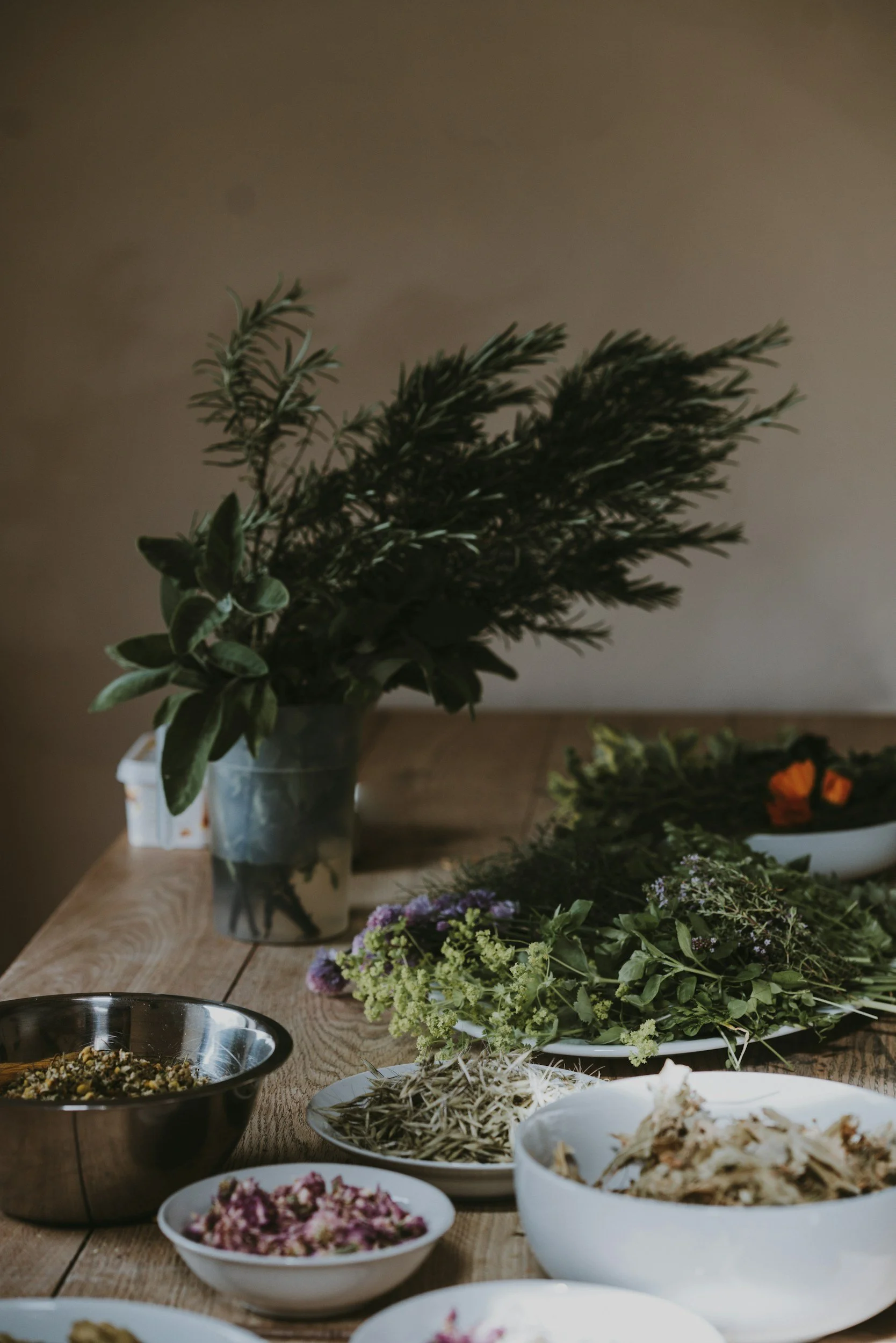
3. Prioritize Organic Foods and Plants
Traditional diets were heavily connected to the earth.
Fresh plants, herbs, roots, vegetables, fruits, and naturally grown foods formed the foundation of eating habits in many indigenous societies.
For a Dibia especially, plant-based and organic foods can help:
maintain energetic balance
support longevity
improve physical vitality
promote mental sharpness
This does not mean everyone must eat exactly the same way, but natural foods should ideally form the major part of the diet.
4. Fast From Time to Time
Fasting is one of the oldest disciplines across many spiritual traditions.
In Igbo spirituality, although many have forgotten or abandoned it, this is regarded as one of the highest forms of Ichu Aja, especially when practiced by certain groups of people.
Why?
Because fasting teaches:
self-control
discipline
stillness
awareness of the body
It also gives the digestive system time to rest.
Spiritually, fasting can help create:
more sensitivity
more clarity
less heaviness
deeper inward awareness
Not every fast must be extreme. Even simple, consistent fasting practices can be beneficial over time.
5. Move After Eating
One unhealthy habit common today is eating heavily and immediately lying down or becoming inactive.
Movement after meals helps:
digestion
circulation
energy flow
metabolism
Even something simple like:
walking
stretching
light activity
can make a major difference.
The body was designed for movement, and it truly helps.
6. Sugar Is Probably Not a Good Idea
Excess sugar affects more than physical health.
It can contribute to:
energy crashes
inflammation
mental fog
mood instability
addictive eating patterns
For people doing intense spiritual or mental work, too much sugar can gradually reduce sharpness and balance.
I’m not implying that every sweet thing you eat must disappear forever, but moderation is extremely important.
In fact, as a Dibia, it may be best to avoid forms of sugar that your ancient ancestors would not have been exposed to in their time.
7. Avoid Intoxicants as Much as Possible
Alcohol and other intoxicants can heavily affect:
judgment
awareness
discipline
energetic sensitivity
For a Dibia, this matters greatly.
There may be occasional ritual exceptions in certain traditional contexts, but outside of that, regular intoxication is usually not helpful for someone trying to maintain spiritual clarity and long-term balance.
A clouded mind struggles to interpret clearly. And there are people’s lives literally dependent on your mental sharpness.
8. Respect Your Personal Nso Around Food
Every Dibia should pay attention to their personal Nso, the foods, habits, or substances that may not align with their Chi or spiritual constitution.
These restrictions will be very clear to you with time.
Sometimes certain foods:
weaken a person energetically
create imbalance
affect dreams, intuition, or clarity
conflict with spiritual obligations
What affects one person may not affect another the same way.
This is why self-awareness matters.
Once you understand your personal restrictions, try your best to respect them consistently.
9. Prioritize Homemade Meals
A Dibia should ideally know where their food is coming from as much as possible.
Constantly eating outside or consuming food from unknown sources can expose a person to:
poor ingredients
unhealthy preparation methods
energetic imbalance
unnecessary contamination
Homemade meals usually allow for:
more awareness
more cleanliness
better quality control
intentional preparation
Food carries energy, and preparation matters more than many people realize.
Final Thoughts
Don’t think of food discipline as some sort of punishment or extreme restriction.
Think of it as self-preservation.
A Dibia’s work requires:
mental sharpness
spiritual clarity
physical endurance
emotional stability
longevity
Good eating habits and healthy fasting practices help protect all of these things over the long term.
And while these habits may feel difficult in the beginning, they become easier with consistency and awareness.
At the end of the day, how you feed yourself affects how you think, how you feel, how you age, and how clearly you can carry out your work.
For a Dibia, that is not a small matter.



















Join Odinani Mystery School for access to Exclusive in-depth teachings on ancient Igbo wisdom and mystical sciences!