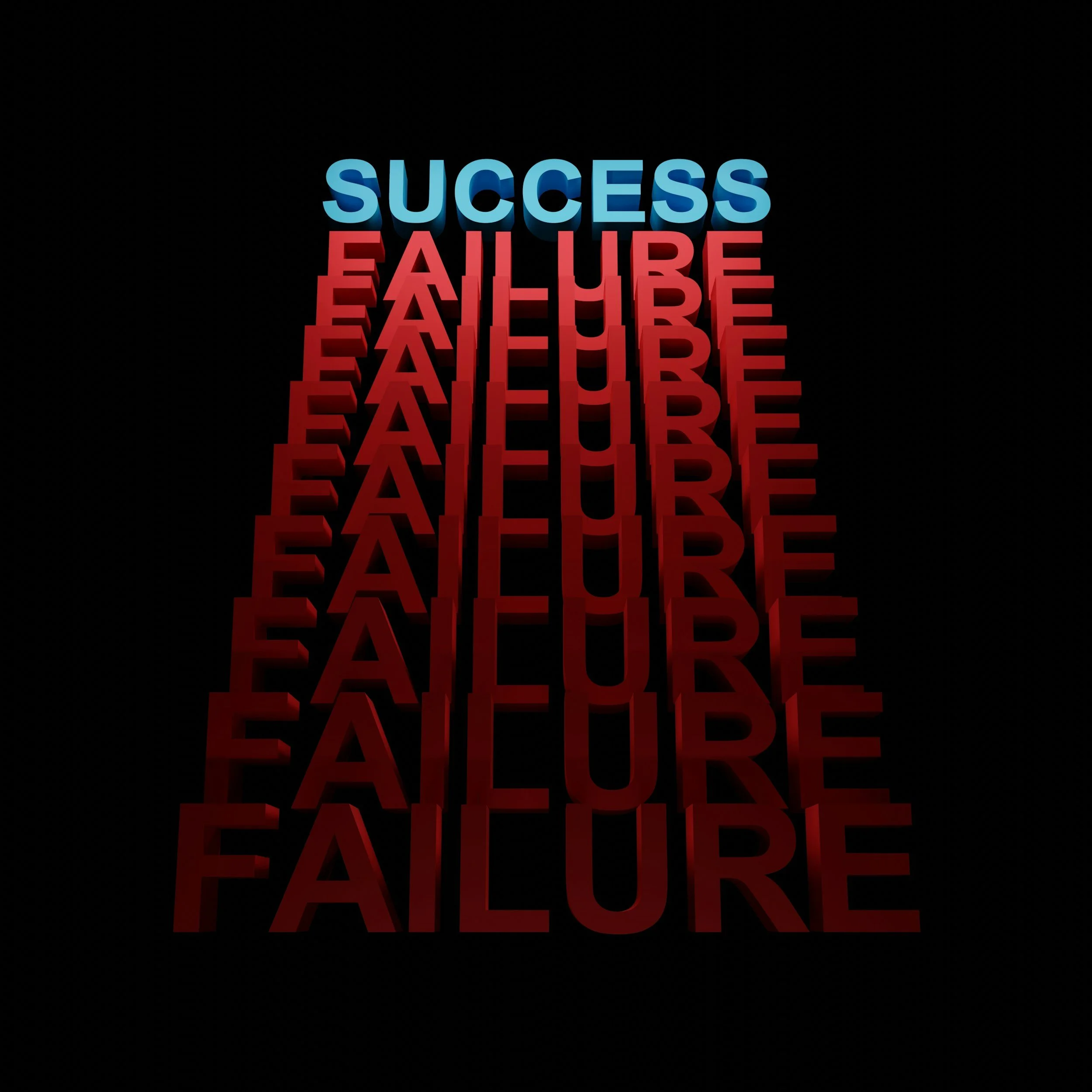
Sometimes the best way to learn is by studying what not to do.
Most people enjoy reading about success principles, but failure has lessons too. In fact, if you want to understand what makes a great Dibia, it can be helpful to look at the habits that almost guarantee failure.
The reality is that being a Dibia in the 21st century is different from being a Dibia one hundred or two hundred years ago. The world has changed. People's needs have changed. The challenges facing communities have changed.
While the core principles of the work remain timeless, there are certain attitudes that can almost guarantee that a practitioner becomes ineffective, irrelevant, or even harmful.
So, if your goal is to fail as a Dibia, here are nine excellent ways to do it.
1. Never Work on Yourself
This is perhaps the fastest route to failure.
Spend years trying to help others while completely ignoring your own growth.
Refuse to:
develop emotionally
improve intellectually
examine your biases
heal your own wounds
strengthen your character
Remember, your clients should grow while you remain exactly the same person forever.
A Dibia who stops growing eventually becomes trapped by their own limitations.
The truth is you cannot consistently guide people beyond the level of awareness you have developed yourself.
2. Eat Whatever You Like and Ignore Your Health
Treat your body as if it has no connection to your work.
Eat poorly.
Sleep poorly.
Avoid exercise.
Ignore stress.
Consume whatever feels good in the moment.
Then wonder why:
your concentration declines
your energy disappears
your health deteriorates
your clarity weakens
The body is one of the primary instruments through which a Dibia works.
If you neglect the instrument long enough, eventually the quality of the work suffers.
3. Never Improve Your Communication Skills
This is a highly effective strategy.
Learn complex spiritual concepts but never learn how to explain them clearly.
Speak in ways that confuse people.
Assume everyone understands what you mean.
Become frustrated when clients leave more confused than when they arrived.
The ability to communicate is one of the most important skills a Dibia can develop.
Wisdom that cannot be communicated effectively will remain useless.
4. Have No Empathy for Your Clients
Treat every client like a problem instead of a human being.
Forget that many people come seeking guidance during some of the most difficult periods of their lives.
Be harsh.
Be dismissive.
Be arrogant.
Deliver every message without compassion.
People rarely remember only what you said.
They remember how you made them feel.
A Dibia may possess knowledge, but without empathy, that knowledge will fail to do the complete work of healing.
"Íwé lāá onye ụ́kà, ọ́ lábēghị̀ onye a kāárá" — The person who says something hurtful to another may forget what they said, but the person to whom it was said may not.
5. Prioritize Money Above Service
Of course, Dibias deserve to earn a living.
But if making money becomes your primary motivation, problems begin to appear and multiply.
When profit becomes more important than service:
your advice will become compromised
integrity will weaken
trust will erode
your reputation will suffer
Clients can often sense when they are being served and when they are being exploited.
In the long run, genuine service creates more sustainability than greed ever will.
6. Treat Feedback and Accountability as Personal Attacks
This one is extremely common.
Whenever someone offers constructive criticism:
become defensive
refuse to listen
blame others
insist you are always right
After all, how could you possibly improve if you already know everything?
The reality is that every practitioner has blind spots.
Feedback is one of the fastest ways to discover them.
Those who cannot receive correction will simply stop growing.
And once growth stops, decline usually begins.
7. Remain Tied to Old Ways Without Innovation
Tradition is important.
But tradition is not the same thing as stagnation.
Many practitioners make the mistake of assuming that preserving wisdom means refusing to adapt.
It does not!
The strongest traditions survive because they learn how to communicate timeless principles in changing environments.
A Dibia who refuses to innovate may eventually find themselves speaking to fewer and fewer people.
The goal is to keep tradition alive without abandoning it.
8. Stop Learning
Once you become knowledgeable, stop reading.
Stop studying.
Stop asking questions.
Stop being curious.
Assume there is nothing left to learn.
This is one of the quickest ways to become irrelevant.
A true Dibia should remain a student throughout life.
There is always:
more wisdom to discover
more experience to gain
more perspectives to understand
Curiosity keeps the mind alive.
9. Surround Yourself With the Wrong People
No matter how gifted you are, your environment matters.
Spend all your time around:
negativity
dishonesty
intellectual laziness
fear-based thinking
unhealthy leadership
Eventually, those influences begin to shape your thinking too.
Many practitioners underestimate the power of association.
The people you learn from, work with, and align yourself with will influence the quality of your growth.
Choose poorly, and even genuine gifts can become ineffective.
Final Thoughts
The title of this article may be humorous, but the lesson is serious.
Most Dibia failures do not happen because of a lack of spiritual gifts.
They happen because of:
poor character
refusal to grow
unhealthy habits
inability to adapt
The 21st century needs Dibias who are not only spiritually developed, but also:
healthy
thoughtful
compassionate
intellectually curious
accountable
committed to lifelong learning
Avoid these nine habits, and you will already be ahead of many.
Because ultimately, the success of a Dibia is measured by who they become and how effectively they use that knowledge to serve others.

























Join Odinani Mystery School for access to Exclusive in-depth teachings on ancient Igbo wisdom and mystical sciences!